Yesterday, a critical security vulnerability was discovered in GitLab scoring a 10/10 severity rating. This flaw allows unauthenticated remote code execution on GitLab servers without logging in.
USA / Canada 866-503-1471
International +31 85 064 4633
Yesterday, a critical security vulnerability was discovered in GitLab scoring a 10/10 severity rating. This flaw allows unauthenticated remote code execution on GitLab servers without logging in.

Are you using LiteLLM as an enterprise AI Gateway? During the recent period from September 7 to October 21, 2026, new capabilities were added for AI Agents management, model routing, MCP security, and cost control. This overview covers versions v1.101.0 through v1.106.0 alongside key patch updates and performance improvements.
Watch the recent webinar recorded last week.We added captions for your convenience. This webinar covers the latest 2026.5 release: It features enhanced language support (including comprehensive C, C++, and Rust updates), Advanced Security capabilities, new compliance reporting, and cross-project architecture management. It also introduces the SonarQube Server LTA 2026.5 release, focusing on the challenges of […]

GitLab 19 was recently released and we’ve made two unique lists of GitLab features: all features and what’s new

We offer PHP development services, version upgrades, code and environment security hardening, vulnerability scanning, security layer implementation, and more.
Docker Business is one of key subscription tiers of Docker solution, and it adds more secure layers on top of the basic Docker offering.A common question we get is “What are the special features available only in Docker Business?” So, we’ve put together a quick summary for you. Note: Want a fully detailed list of […]
GitLab 19.4 Release Overview GitLab 19.4, released on September 17, 2026, expands agentic automation across the software development lifecycle, adds stronger governance for MCP tools, improves AI cost visibility, and introduces new security capabilities such as malicious-package detection and broader SAST language coverage. We recommend planning an upgrade to the appropriate supported release after checking […]
We’ll be hosting a live webinar on the LiteLLM AI Gateway, covering: Date: Sep 16th at 4PM CET (10AM EST). Leave your details below and we’ll keep you updated. We’ll also send a calendar invitation to the email you provide. (We’ll send a calendar invitation to the email you provide) In the meantime, visit our LiteLLM […]
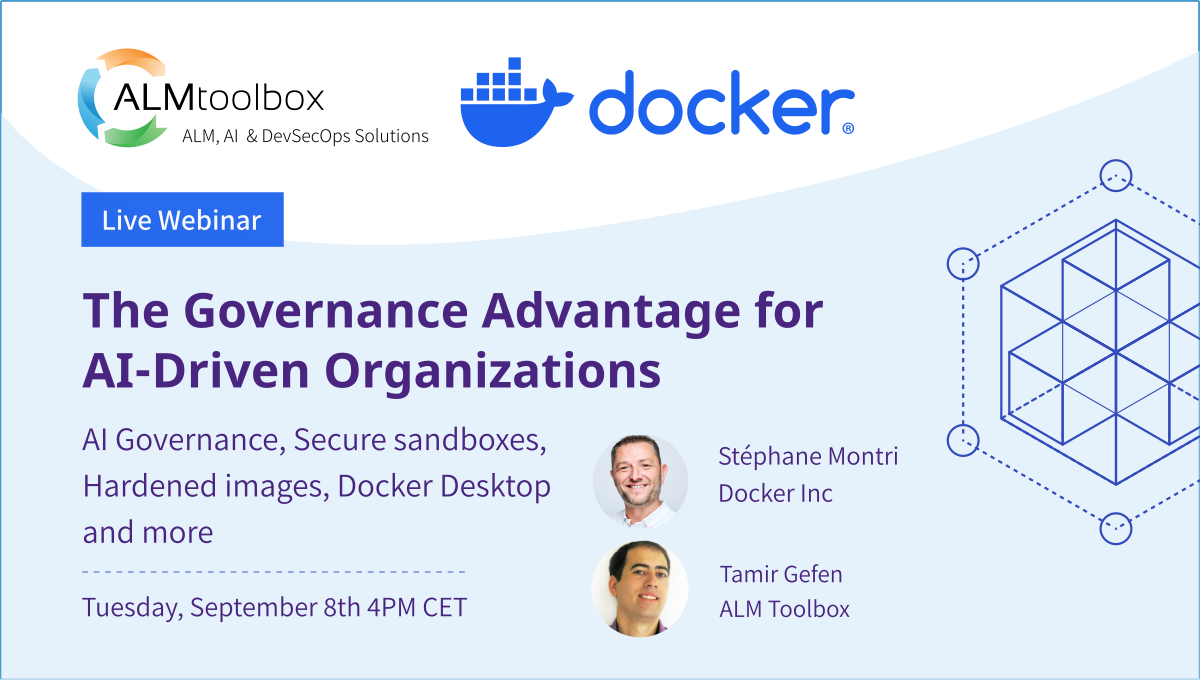
Join our live webinar on Docker AI Governance and what’s new in Docker’s solutions portfolio. Learn about security, visibility, and control of AI Agents.
Explore Sonar’s complete code quality & security: SonarQube, SonarCloud, Vortex, Gitar, and MCP Server for advanced SAST, SCA and code review
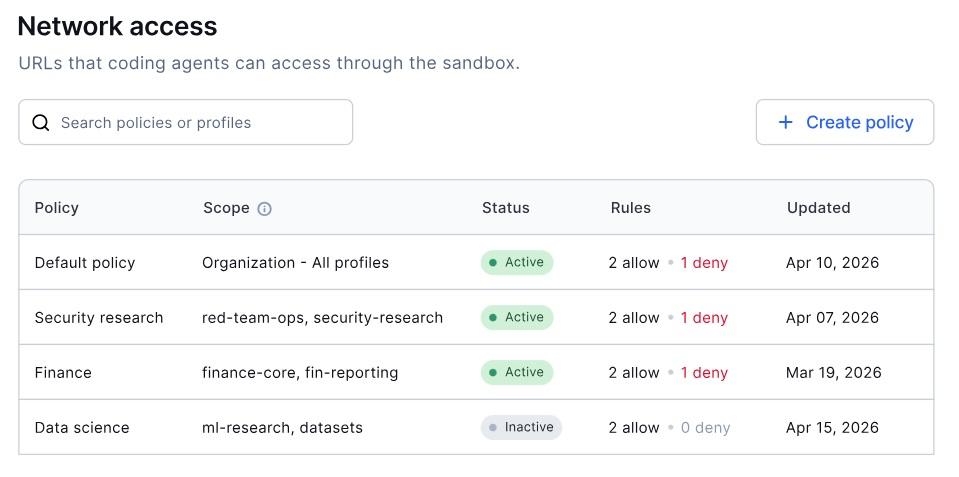
An overview of Docker AI Governance – a solution for AI agent governance, sandbox network security, and MCP tools for Security, DevSecOps, and Platform teams
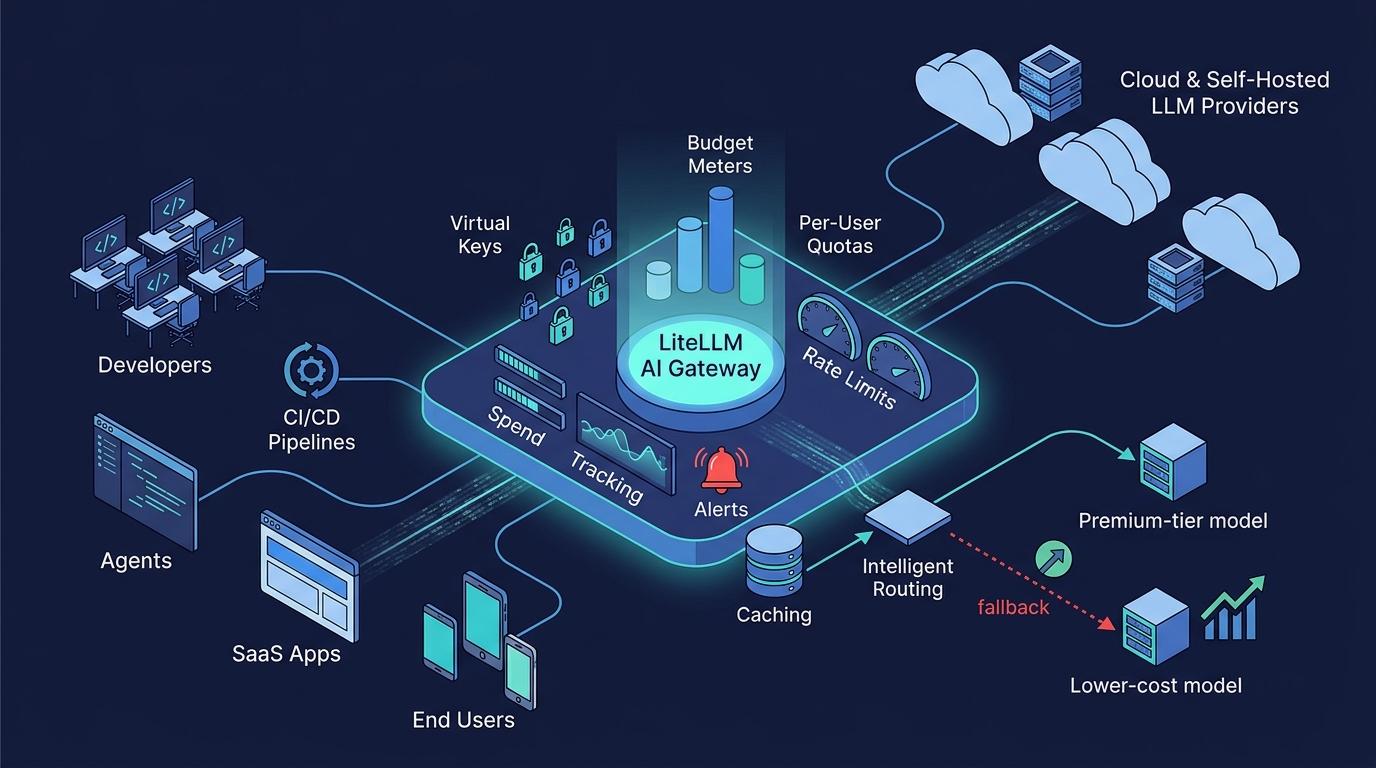
Learn how to reduce AI spending with LiteLLM using virtual keys, per-user budgets, team and organization limits, tags, rate limits, spend tracking, alerts, model fallbacks, automatic routing, prompt caching, and AI cost governance
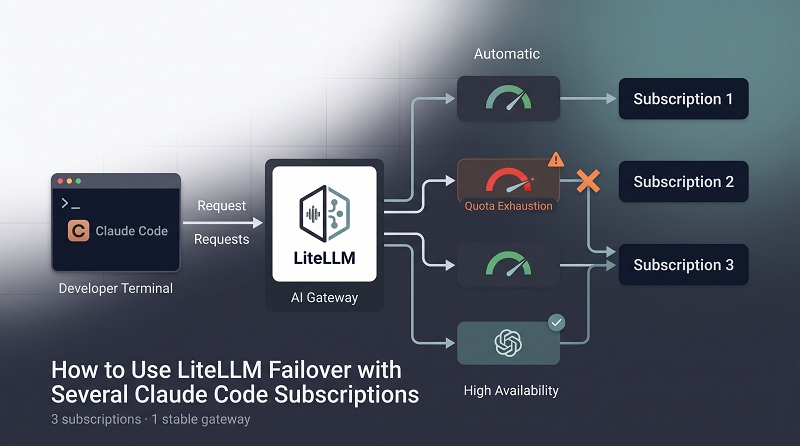
If you use Claude Code heavily, a single subscription can become a bottleneck. The practical workaround is to maintain several subscriptions and place LiteLLM in front of them, so Claude Code keeps using one stable endpoint while LiteLLM switches to another subscription when the active one reaches its usage limit or becomes temporarily unavailable. This […]
AI is everywhere in software engineering right now, but one question still matters more than the rest: is it actually helping your team ship better software? If your organization runs on GitLab, Milestone AI gives you a practical way to answer that question. Instead of relying on assumptions, it connects GitLab activity with AI usage […]
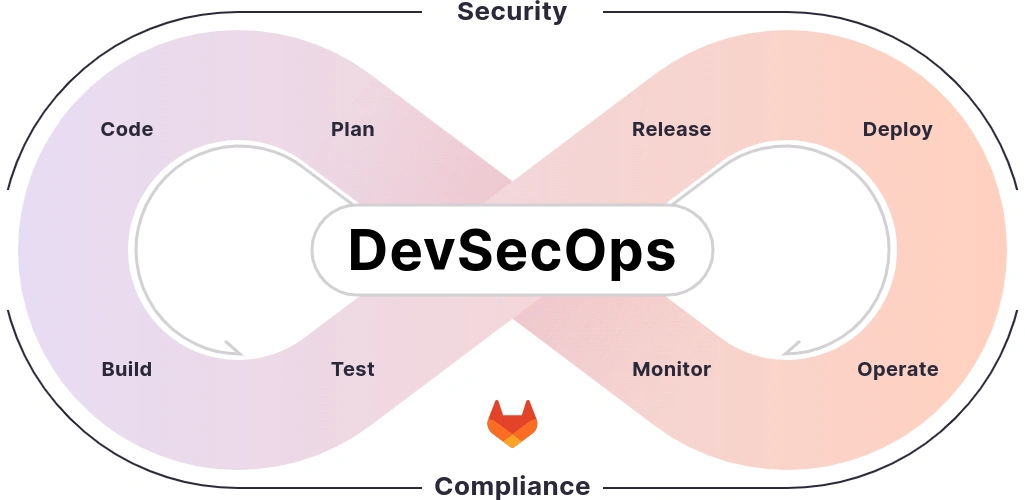
This article provides a current overview of the various licensing and installation (deployment) options for GitLab