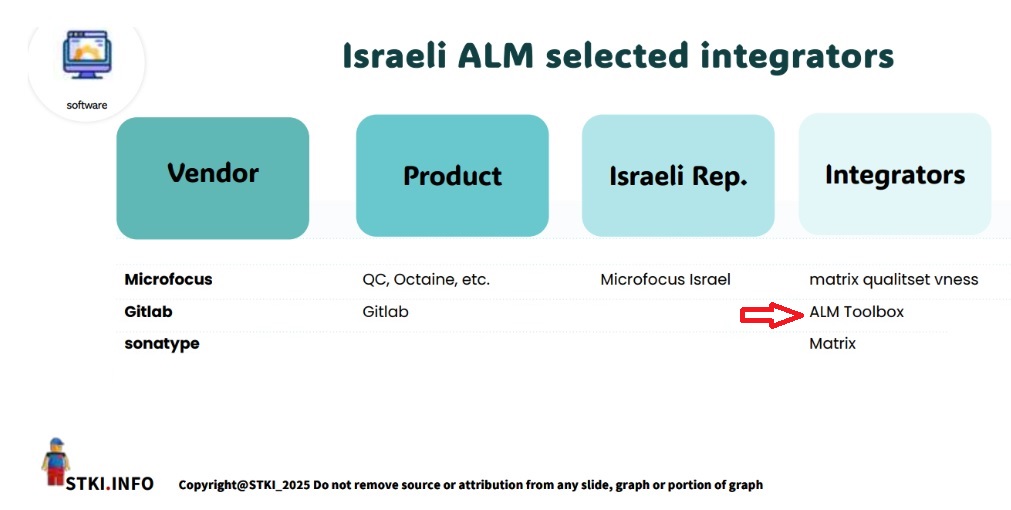
ALM Toolbox has been chosen as the Selected GitLab Integrator by independent research firm STKI
USA / Canada 866-503-1471
International +31 85 064 4633
ALM Toolbox has been chosen as the Selected GitLab Integrator by independent research firm STKI
If you use AWS Bedrock for LLM consumption and you have multiple AWS accounts, LiteLLM can help you build a resilient failover layer so your users do not feel the impact when one account runs out of quota or becomes unavailable. The idea is simple: LiteLLM sits between your applications and Bedrock, keeps a single […]
Sonar Vortex is a new product from Sonar designed to make AI-based code agents more efficient, controlled, and secure, through deep integration with SonarQube and an agent-driven development loop. Vortex unifies Context Augmentation and Agentic Analysis capabilities into a single product that operates within the agent’s own inner loop – at an early stage and in real time – instead of later checks […]
Learn how SonarQube helps teams write more secure Java code with static analysis, security rules, CI/CD checks, and security reports.
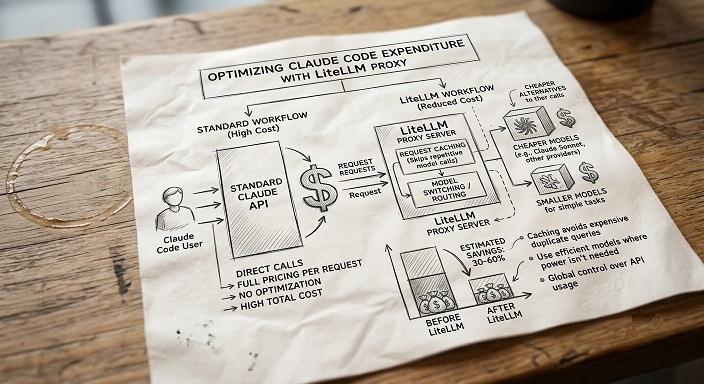
Discover how to optimize and significantly reduce your Claude Code costs using LiteLLM. Explore virtual key budgets, automatic prompt caching, prompt compression with headroom, MCP tool deferring, and smart auto-routing.

A customer story on using SonarQube to detect third-party vulnerabilities (SCA) as well as vulnerabilities in human- and AI-written code (SAST static code analysis) and improve quality.

Due to many questions we receive regarding the differences between the editions of the product LiteLLM, we have prepared a detailed and organized list (also categorized by topic), which contains the product capabilities available only in the Enterprise edition (the paid commercial edition). There are nearly 60 such capabilities available only in the paid edition. The list covers the following topics: We have also added Excel filters to the list for ease of use, with sorting and text search options. To download […]
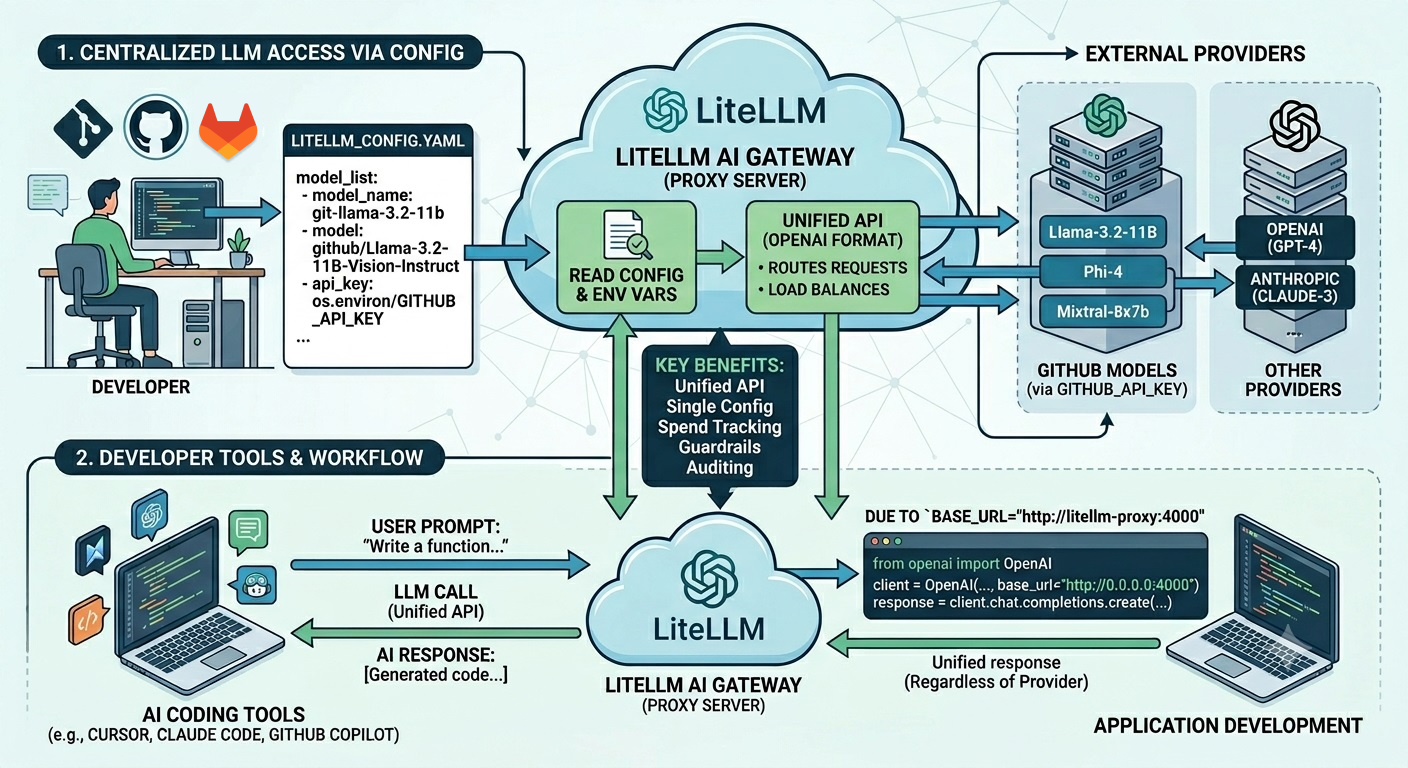
LiteLLM is a practical way to add AI capabilities to Git-based automation without locking yourself into a single model provider. For teams using GitHub or GitLab, it can sit in the middle as a unified AI gateway for code review, commit assistance, merge request analysis, and CI-driven automations. That makes it especially useful when you […]
Milestone is an engineering intelligence platform focused on turning real development activity into a system of record for GenAI adoption, productivity, and code quality, rather than just counting seats or tokens. It connects to your repos and tooling, attributes which code was AI-assisted, and then exposes that through product areas like Vibe Metrics, GenAI Adoption […]
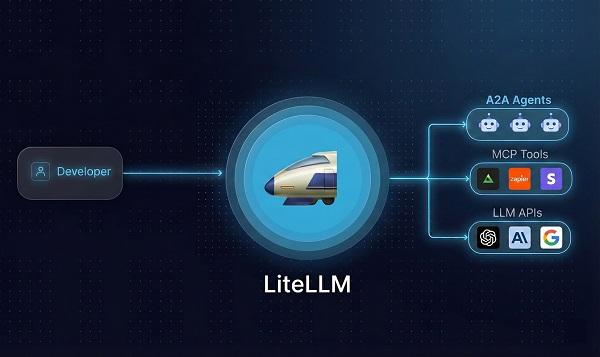
In this article we go one level deeper and explain the main capabilities of the LiteLLM AI Gateway:cost tracking, batches API, guardrails, model access, budgets, LLM observability, rate limiting, prompt management, S3 logging and pass-through endpoints – and why DevOps / Platform / Architecture teams care about them. As we recently shared, We (ALM Toolbox) […]

ALM Toolbox holds all five official technical certifications of GitHub: GitHub Actions, Advanced Security, Administration, Foundations, and GitHub Copilot. We provide professional knowledge and services in Git, GitHub, DevOps, ALM, and AI infrastructures.
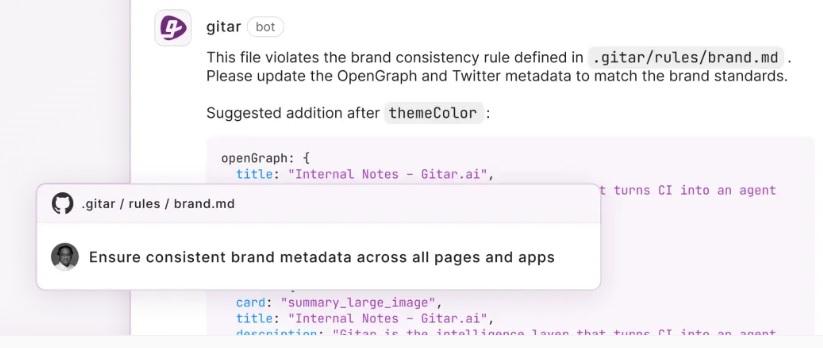
Sonar announced this week the acquisition of Gitar.AI, which developed an AI-based Code Review and code fixing tool. In this article, a short overview of Gitar.
GitLab is rapidly adding AI features such as GitLab Duo, AI Gateway and AI‑powered CI/CD flows, but many organizations still struggle with fragmented model usage, unclear costs and compliance concerns. LiteLLM can act as the missing “AI gateway” layer for GitLab, giving you a single place to standardize LLM access, enforce security and track spend […]
We are pleased to announce that as part of our AI, DevOps, and DevSecOps solutions, we now also offer LiteLLM’s AI Gateway solution.
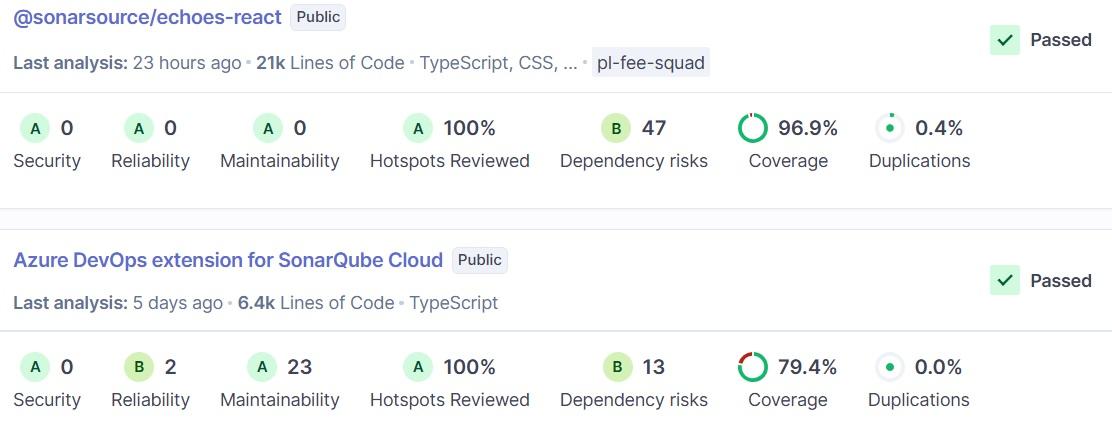
An explanation of code coverage in SonarQube: how to measure Coverage correctly, integrate coverage reports with code management tools, define smart Quality Gates, and improve code quality.