GitLab 19 was recently released and we’ve made two unique lists of GitLab features: all features and what’s new
Read more »USA / Canada 866-503-1471
International +31 85 064 4633
GitLab 19 was recently released and we’ve made two unique lists of GitLab features: all features and what’s new
Read more »
GitLab 19.4 Release Overview GitLab 19.4, released on September 17, 2026, expands agentic automation across the software development lifecycle, adds stronger governance for MCP tools, improves AI cost visibility, and introduces new security capabilities such as malicious-package detection and broader SAST language coverage. We recommend planning an upgrade to the appropriate supported release after checking […]
Read more »
This article provides a current overview of the various licensing and installation (deployment) options for GitLab
Read more »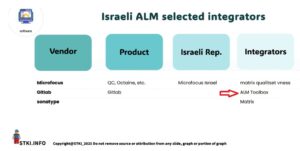
ALM Toolbox has been chosen as the Selected GitLab Integrator by independent research firm STKI
Read more »GitLab is rapidly adding AI features such as GitLab Duo, AI Gateway and AI‑powered CI/CD flows, but many organizations still struggle with fragmented model usage, unclear costs and compliance concerns. LiteLLM can act as the missing “AI gateway” layer for GitLab, giving you a single place to standardize LLM access, enforce security and track spend […]
Read more »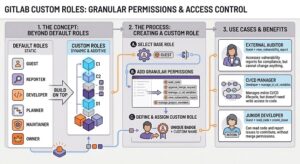
GitLab custom roles help teams control access to code, settings, tokens, and webhook administration without promoting every advanced user to Maintainer or Owner. The key is understanding where custom roles help, where token scopes still matter, and how both shape access to data through the GitLab API and GitLab webhooks
Read more »
Using GitLab as your end‑to‑end DevOps platform helps you prevent supply‑chain attacks (like the recent PyPI litellm compromise) and block malware from entering your environment by enforcing controls directly in the CI/CD pipeline, dependency flow, and identity layer. Below is how that maps to your concrete threat model. Note: Implementing these practices requires a GitLab […]
Read more »
GitLab 18 was recently released and we’ve made two unique lists of GitLab features: all features and what’s new
Read more »
On SonarQube Server with GitLab (self‑managed or SaaS), the typical flow is: Here is a step‑by‑step summary: 1. Configure GitLab integration in SonarQube Server Do this once per GitLab instance: Optional but recommended: 2. Create and bind the project in SonarQube Option A: Import from GitLab (with DevOps integration) This is the recommended way for […]
Read more »
AI-assisted vulnerability detection is evolving rapidly, but the complex challenges of enforcement, governance, and supply chain security require a holistic platform like GitLab.
Read more »Ran out of GitLab shared runner CI minutes? This 2026 guide shows you how to deploy unlimited private GitLab runners using Docker in under 10 minutes. Disable shared runners, register your own runner, and bypass quotas forever – no Kubernetes required. Perfect for DevOps teams hitting CI limits
Read more »
Recap of GitLab’s 2025 releases: GitLab Duo agentic AI, CI/CD hardening, version control wins and 2026 outlook
Read more »
Here we list GitLab projects we have implemented over the years for our customers – all based on GitLab commercial editions or free
Read more »
This review examines CodeRabbit’s features, how it resolves SDLC challenges, its applications in Enterprise organizations, supported integrations, and its position in the landscape of AI-based development tools.
Read more »GitLab Duo Agent Platform Workshop video covers topics from AI agents theory to hands-on practice with AI features. Watch here.
Read more »